

Promoting Positive Experiences
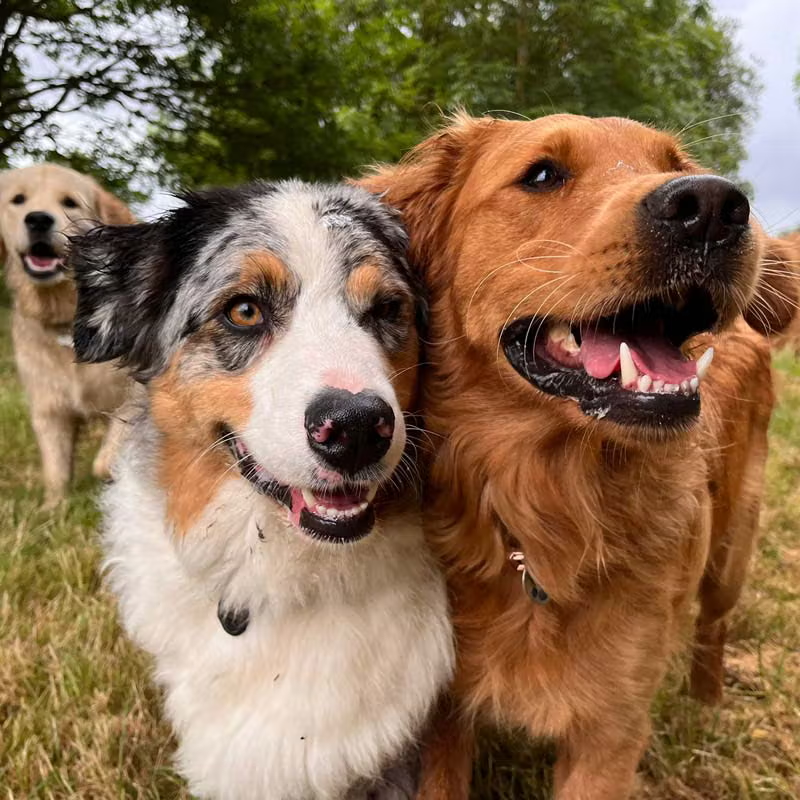
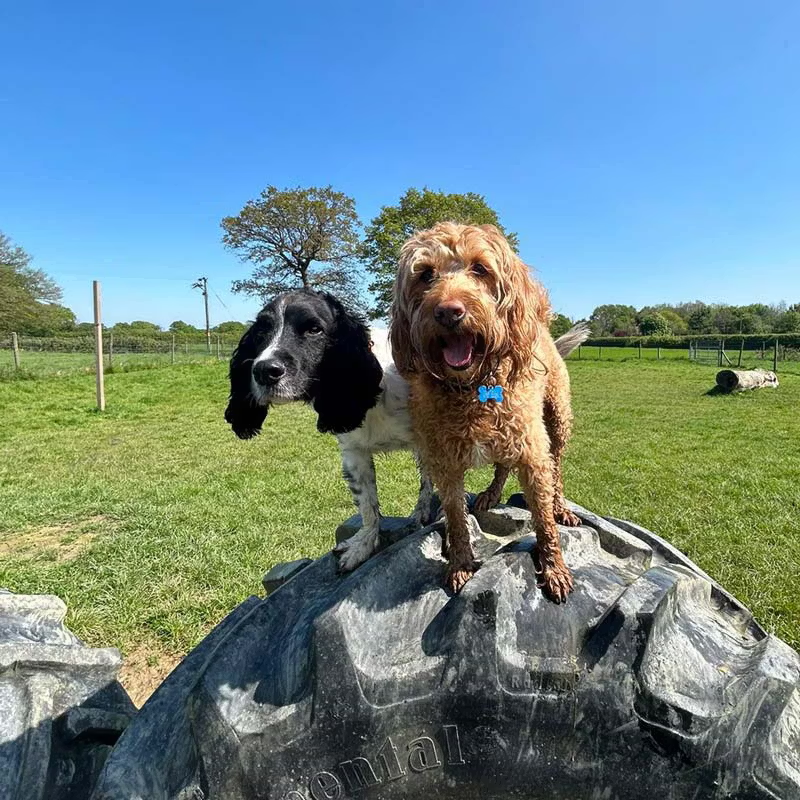
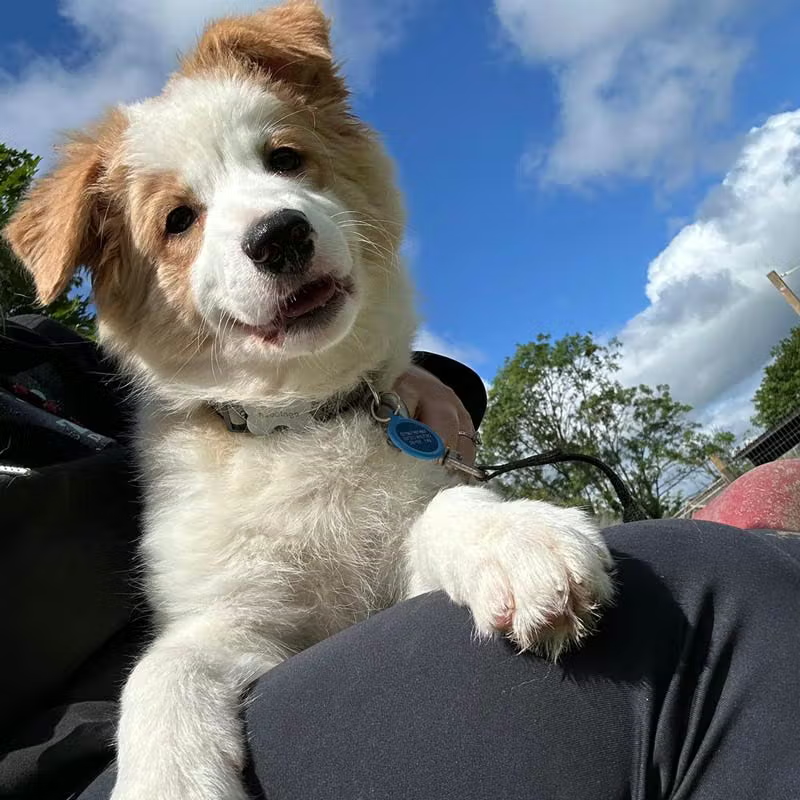
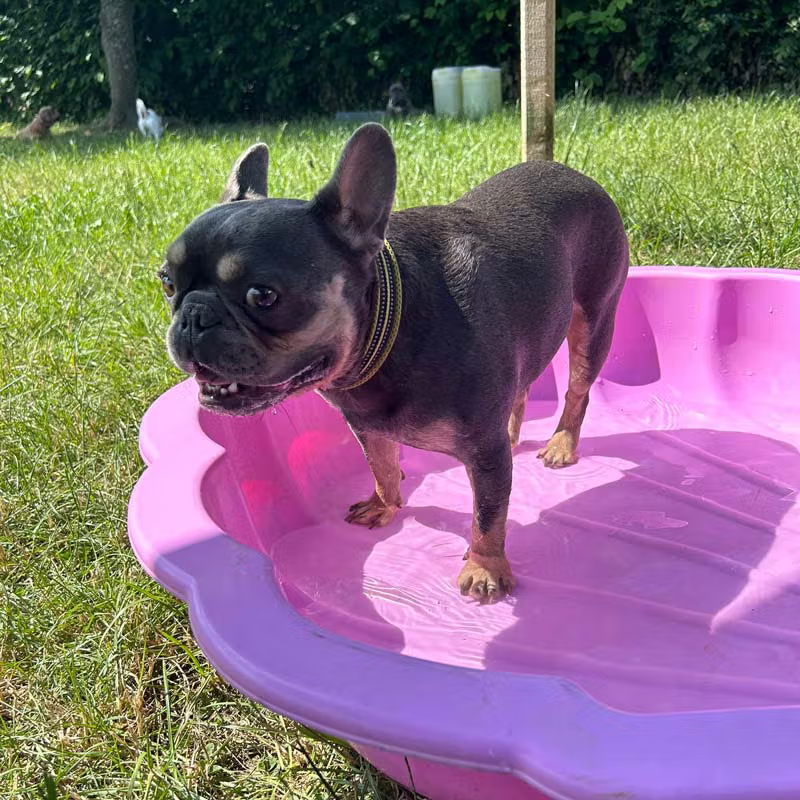
Every time you take your puppy out to explore, make sure it’s a happy and positive experience. Early experiences lay the foundations for the dog your puppy will grow into. By showing your pup that new things can be fun, you’re helping them feel confident and safe in the world around them.
If you notice your puppy becoming worried or scared, it’s important to act straight away: gently remove them from the situation, offer praise, treats, or toys, and give them time to regain confidence. You can always try again later — never force them if they’re not ready. Every puppy learns at their own pace, and understanding their body language is one of the most loving things you can do as an owner.
8 Areas of Puppy Socialisation 🌸🐶
We’ve created an 8-point socialisation checklist to help you give your pup the best start in life. Each step helps your puppy build confidence and become a happy, well-rounded dog.
- Show Your Puppy Different Types of People
Puppies meet all kinds of people in their lives! Introduce them to: Babies, toddlers, teenagers, adults, and seniors Men and women of all backgrounds and ethnicities. People with beards, no hair, or wearing glasses. People with disabilities or using mobility aids. - Get Them Used to Sounds at Home
Introduce everyday household sounds to prevent future fear or anxiety:. Doorbells, phone rings, and washing machines. Vacuum cleaners, kettles, hairdryers, and mopping. Loud music, TV, or smoke alarms. - Visit Different Environments. Explore the world together and make it fun! Take your puppy to: Parks, playgrounds, busy streets, and friends’ homes Cafes, service stations, puppy pre-school, groomers, or the vet. Water (lakes or the sea) and car journeys or bus rides
- Introduce Your Puppy to Other Animals. Always supervise new animal encounters and praise your pup for calm behaviour:. Other puppies, friendly dogs, cats, birds, and small pets. Farm animals like goats or sheep, and larger animals such as horses
- Practice Walking on Different Surfaces. Introduce textures and surfaces gradually to prevent stress: Carpet, wood, tiles, grass, sand, slippery floors, stairs, and pavements
- Show People Wearing Different Clothing. People look different sometimes, which can be surprising for pups! Expose them to: Hats, sunglasses, helmets, costumes, and umbrellas PPE, wheelchairs, guide dogs, shopping trolleys, and pushchairs
- Introduce People in Uniform. Uniformed people may seem intimidating if your puppy hasn’t met them before: Police officers, firefighters, postal workers, ambulance staff, and crossing guards
- Get Them Used to Motor Vehicles Familiarity helps pups stay calm near traffic: Cars, vans, lorries, bicycles, motorcycles, caravans, and even horns or screeching brakes